Bluegill Fishing on Rough River Lake, Kentucky
Largemouth Bass & Crappie Fishing in Harned - What to Expect
4.9

10 Reviews
- 5
 90%
- 410%
- 3
 0%
- 20%
- 10%

Fishing Guide by Captain Chris O'Bryan in August

- Experience the Best Rough River Lake Fishing


Summary
This 6-hour fishing guide trip on Rough River Lake delivered exactly what we came for - solid action targeting largemouth bass, crappie, and hybrid stripers under Captain Chris O'Bryan's local expertise. On a Friday in June, we jigged, trolled, and bait cast our way through prime spots, connecting with bluegill and the lake's main species. The experience balanced technique-building with genuine adventure, making it ideal for anglers seeking both skill development and a genuine escape on the water.
Lake Fishing with Captain Chris O'Bryan - Rates & Booking
Captain Chris O'Bryan of Boating Adventures with Captain Chris led our 6-hour fishing charter on Rough River Lake on Friday, June 20th. The trip accommodated two guests aboard a comfortable boat equipped for a full day of active fishing. We brought multiple tackle approaches - jigging, trolling, and bait casting - which kept the action moving across different depths and structure.
This half-day charter includes boat access, guide expertise covering largemouth bass, crappie, and hybrid striper techniques, and insider knowledge of the lake's productive zones. Guests should bring their own fishing license and a printed waiver form on trip day. The boat setup provided everything we needed to fish effectively, with room to move between different areas of the lake without feeling cramped.
To secure your spot on this lake fishing adventure, contact Boating Adventures with Captain Chris directly or book your preferred date online. Early booking during summer months fills quickly given the lake's seasonal fishing patterns.
Highlights of Rough River Lake Fishing Charters
The real strength of this charter came through Captain Chris's ability to read the water and adapt our approach. We started with trolling along deeper channels where hybrid stripers hold, then transitioned to structure-focused jigging when the early bite softened. That flexibility made the difference between a slow day and consistent catches. The lake itself offered genuine beauty - calm mornings with minimal boat traffic, clear visibility into shallower areas, and plenty of cover that holds quality fish.
We connected with bluegill around submerged timber and weed lines, which provided perfect warm-up action before targeting the larger species. The variety kept things interesting and showed us multiple facets of what Rough River offers across its different zones and depths.
Local Species Insights: Bluegill and Rough River's Fishery
Bluegill populations on Rough River Lake thrive in the lake's shallow structure - vegetation, fallen trees, and rocky areas where they find food and shelter. During our trip, we caught bluegill by jigging small lures vertically along these cover types, which proved reliable once we understood the pattern. These panfish often hold tighter to structure than we initially expected, requiring precise presentations rather than random casting.
What made targeting bluegill valuable wasn't just the catch itself, but what it revealed about the lake's ecosystem. Where we found bluegill concentrations, we also found larger predatory species nearby - largemouth bass and crappie positioned to feed on the smaller panfish. This relationship shaped our overall strategy for the day. Bluegill behavior also told us about water temperature and oxygen levels in different zones, information Captain Chris used to refine our approach as the day progressed.
The lake supports healthy populations of largemouth bass and crappie as primary targets, but the bluegill action demonstrated that Rough River contains a balanced, functioning fishery. The presence of abundant panfish indicates good forage and suitable conditions for supporting larger sportfish species. For anglers willing to fish multiple species and techniques, this diversity transforms a potential slow day into consistent action and learning opportunities.
Plan Your Fishing Day
Our 6-hour charter ran efficiently with built-in flexibility. We started early to catch the morning bite when fish feed most actively, then adjusted based on conditions and results. Two anglers per boat meant we each had adequate space to fish different sides or rotate through different techniques without interference. Captain Chris handled boat operation and navigation while we focused on fishing, which eliminated the learning curve many anglers face when running unfamiliar water.
Bring your fishing license (required in Kentucky), printed waiver form, sunscreen, and weather-appropriate clothing - mornings on the water run cool even in June. The boat had adequate shade and room to store gear. We fished with multiple tackle types throughout the day, so having organized tackle boxes made transitions between jigging, trolling, and bait casting smoother. Staying hydrated mattered more than we expected given the full-sun afternoon periods.
Fishing in Rough River Lake: Bluegill
Bluegill Overview
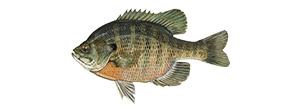
Bluegill (Lepomis macrochirus) is a freshwater gamefish belonging to the family Centrarchidae and order Perciformes. These vibrant panfish are beloved by anglers nationwide for their scrappy fighting ability and excellent table quality. What makes bluegill particularly special is their stunning coloration—bodies that can shift from bluish-purple to deep green with striking vertical stripes—and their accessibility to anglers of all skill levels. Whether you're in Florida or New Mexico, bluegill populations thrive in waters across the country, making them one of America's most reliable and rewarding gamefish.
Bluegill Habitat and Distribution
Bluegill are endemic to the eastern half of America and have been successfully introduced across North America, Europe, South Africa, Asia, South America, and Oceania. These adaptable fish prefer shallow waters along shorelines in ponds and lakes, gravitating toward vegetated or weed-rich areas where they can find shelter. They love fallen logs, sunken objects, and the protective cover found beneath docks. Clear, quiet, warm water provides ideal conditions—think peaceful lake coves and pond margins where vegetation creates natural hiding spots. Their widespread distribution means quality bluegill fishing exists nearly everywhere, from sprawling reservoirs to small neighborhood ponds in suburban communities.
Bluegill Size and Weight
Most bluegill average around 8 inches in length and weigh approximately half a pound, making them perfect for young anglers and family outings. However, these fish can reach impressive proportions under ideal conditions, growing up to 16 inches and weighing as much as 2 pounds. Size depends heavily on habitat quality, food availability, and population density. Bluegill can live up to 10 years, and older fish are typically noticeably larger and more colorful. Breeding males display the most vibrant hues, often showcasing brilliant orange or rust-colored bellies that intensify during spawning season.
Bluegill Diet and Behavior
Bluegill are opportunistic feeders with surprisingly varied diets for fish of their size. They primarily hunt insects, zooplankton, worms, snail eggs, and small fish, though they're not particularly picky eaters—they'll readily consume bread, corn, crackers, and other human food scraps. These are excellent swimmers capable of rapid directional changes through precise fin adjustments, which helps them dodge predators and efficiently pursue prey. They typically hunt during dusk and dawn hours when light levels are lower, though they'll feed throughout the day if conditions are right. Bluegill usually organize in schools of 10 to 20 individuals, creating dynamic social structures within their habitat. Their willingness to accept various baits and lures makes them ideal targets for experimentation and technique development.
Bluegill Spawning or Seasonal Activity
Bluegill reach sexual maturity between ages 2 and 3, depending on environmental conditions and habitat quality. Spawning season begins when water temperatures reach 70°F, typically occurring from April through September in most regions. During this period, males display their most vivid coloration, with orange and red hues becoming especially pronounced. Males construct and aggressively guard nests, protecting eggs until they hatch and younglings develop sufficiently to venture into deeper waters. This protective behavior, combined with their concentrated spawning areas, creates excellent opportunities for anglers using fly rods or small jigs during peak breeding months. Spring and early summer represent the prime fishing season when bluegill are most active and aggressive.
Bluegill Techniques for Observation or Capture
Spin casting with worms remains one of the most effective bluegill methods and requires minimal equipment investment. Simply thread a live or nightcrawler on a small hook, cast near vegetation or structure, and watch for strikes. This technique works year-round but peaks during spring and early summer.
Bobber fishing with worms is perfect for family outings and young children. The visual indicator of a bobber keeps kids engaged, and bluegill readily strike at worms suspended at various depths near shorelines or under docks. This method teaches patience and fundamentals without complexity.
Fly-rod fishing at spawning grounds offers exciting opportunities for experienced anglers. Deploy spider bubbles or small flies directly over known spawning areas where males actively defend territories. Light tackle and accurate casting yield impressive results during peak spawning months. Around many southern lakes and ponds, early morning presentations near lily pads and vegetation edges consistently produce eager strikes from aggressive breeding males.
Additional effective approaches include small jig fishing (bluegill have relatively small mouths), float rigs like waggler floats and bubble rigs, and targeting deeper structure during mid-day heat when shallow water temperatures rise above comfort zones.
Bluegill Culinary or Utilization Notes
Bluegill possess excellent eating qualities and are considered a culinary delicacy by many anglers. Their firm, mild-flavored flesh fillets beautifully and cooks quickly through pan-frying, baking, or grilling. A mess of bluegill—typically 8 to 12 fish—provides a satisfying meal for a family. Beyond direct consumption, bluegill serve as effective live bait for larger gamefish species like bass, pike, and catfish, making them valuable to anglers pursuing trophy-sized predators. Their role in balanced freshwater ecosystems also makes them important for fishery management and ecological health.
Bluegill Frequently Asked Questions
Q: What is the best bait for catching bluegill?
A: Live worms are consistently the most effective bait, though bluegill also respond to minnows, insects, small jigs, and even bread or corn. Their non-selective feeding habits mean experimentation often yields success.
Q: Where can I find bluegill near my area?
A: Bluegill are distributed throughout North America with particularly strong populations in the eastern half of the United States, extending west to states like New Mexico and south to Florida. Check local ponds, lakes, and rivers with shallow vegetated areas and structure—neighborhood lakes and public fishing areas frequently hold healthy populations.
Q: Is bluegill good to eat?
A: Yes, absolutely. Bluegill offers excellent eating quality with mild, firm flesh that fillets beautifully. A dozen bluegill provides a delicious, sustainable meal. Many consider them among the best-tasting panfish available.
Q: When is the best time to catch bluegill?
A: Spring and early summer (April through June) represent peak seasons, particularly during spawning when fish are most aggressive. However, bluegill can be caught year-round. Dawn and dusk hours generally produce more consistent results, though midday fishing near deep structure often succeeds during hot months.
Q: Why are bluegill good for beginners and children?
A: Bluegill are abundant, eager to strike, put up a spirited fight on light tackle, and don't require expensive equipment or advanced techniques. Their willingness to accept simple baits like worms and their consistent availability make them perfect for developing angling skills.
Q: How long do bluegill live and how large do they grow?
A: Bluegill typically live up to 10 years in quality habitats. Most average 8 inches and half a pound, though premium conditions produce fish reaching 16 inches and 2 pounds. Older, larger males display the most vibrant coloration, especially during breeding season.
More species you can explore on this trip

Other customer memories from this trip
The boat setup on this charter struck a solid balance between functionality and comfort for a full 6-hour day on the water. There's enough room for two anglers to fish without crowding - each side has clear casting lanes, and you can move around without feeling trapped or constantly bumping into your fishing partner. The seating provides decent back support during runs to different zones, and there's actual storage for tackle boxes and personal gear rather than everything piling on top of each other. Shade options existed, which mattered during the afternoon heat. The boat handles Rough River's conditions without excessive bounce or spray getting you soaked at cruising speed. Setup details like rod holders keep things organized, and the general layout gives Captain Chris clear sight lines while you're focused on fishing. It's not luxury, but it's comfortable enough that you're not thinking about being on a boat - you're thinking about fishing. That kind of thoughtful design made the 6-hour day feel manageable and let us concentrate on technique and catching fish rather than dealing with cramped conditions or gear management problems.