
Smallmouth Bass Fishing in Harned, KY - Rough River Lake
Smallmouth Bass Fishing in Harned - What to Expect
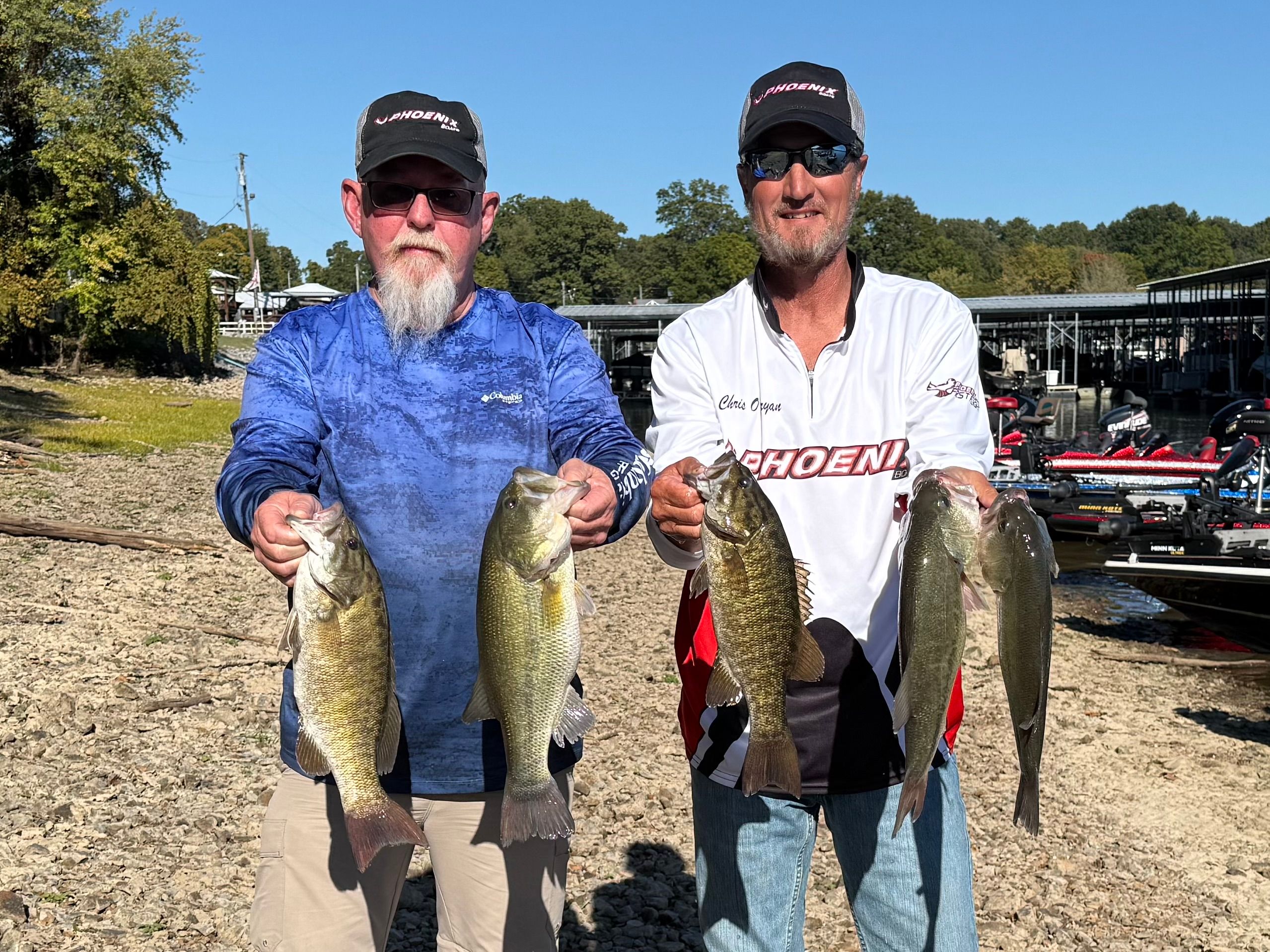
Fishing Guide by Captain Chris O'Bryan in November

- Experience the Best Rough River Lake Fishing


Summary
Join Captain Chris O'Bryan for a thrilling fishing guide experience on Rough River Lake near Harned, KY. This Sunday in November delivers prime smallmouth bass action with two solid catches showcasing what local waters deliver. Discover why anglers trust this Rough River destination for consistent results and unforgettable moments on the water.
Fishing with Captain Chris O'Bryan - Rates & Booking
Captain Chris O'Bryan of Boating Adventures with Captain Chris delivered explosive results on Sunday, November on Rough River Lake near Harned, KY. This fishing guide experience showcases why Rough River attracts serious anglers seeking quality smallmouth bass encounters. Contact Boating Adventures with Captain Chris today to book your own adventure and experience the same productive waters these anglers conquered.
Highlights of Your Rough River Experience
Two prime smallmouth bass came tight during this session, displaying the aggressive feeding that makes Rough River a premier destination. The dock setting at Harned provides excellent launch and landing opportunities, while the shallow-to-moderate structure of the lake consistently holds quality fish. Captain Chris's expertise navigates these waters with precision, targeting productive zones where smallmouth congregate.
The energy on the water builds fast when smallmouth start feeding. These catches represent more than just impressive fish - they signal healthy populations and responsive conditions that make every cast count. Whether you're chasing bragging rights or pure fishing satisfaction, Rough River delivers the goods.
Local Species Insights: Smallmouth Bass
Smallmouth bass dominate Rough River Lake's ecosystem, thriving in the lake's rocky structure and moderate depths. These aggressive predators favor limestone-laden environments like those found throughout this region, hunting crawfish, baitfish, and topwater offerings with intensity. Their explosive strikes and hard-charging runs create the adrenaline rush anglers crave.
Rough River provides ideal smallmouth habitat. The lake's rock-laden bottom, varied depths, and stable water conditions support robust populations year-round. Smallmouth here respond aggressively to properly presented lures and live bait, especially during active feeding windows. Captain Chris knows exactly where these fish congregate and how to trigger bites. The dock area near Harned offers prime staging zones where spawning and feeding cycles concentrate fish into predictable patterns.
Smallmouth bass behavior shifts with seasons and water conditions, but Rough River's consistent structure keeps fish feeding predictably. These fish prefer cooler water and rocky environments - conditions this lake delivers in abundance. Local guides understand migration patterns, seasonal movements, and how changing weather affects feeding intensity. The result is consistent action throughout the season.
What makes this experience unforgettable isn't just landing fish - it's the connection to nature, the precision required to read water and present lures correctly, and the pure satisfaction of outthinking intelligent predators. Captain Chris brings decades of local knowledge, translating it into productive time on water where you're actively engaged in the hunt.
Plan Your Fishing Day
Your Rough River experience with Captain Chris puts you front-and-center in one of Kentucky's most productive smallmouth fisheries. The dock-based access near Harned streamlines launch procedures, getting you on productive water quickly. Two anglers experienced consistent action during this recent outing, landing quality smallmouth that tested tackle and skill alike.
Expect hands-on instruction, real-time lure selection guidance, and navigation to the best available structure. Captain Chris reads water conditions constantly, adjusting tactics to match what smallmouth are responding to. You'll learn productive techniques applicable to future trips while enjoying the immediate gratification of solid catches. Rough River's moderate size makes it manageable for various skill levels while maintaining excellent fish density and quality.
Fishing in Rough River Lake: Smallmouth Bass

Smallmouth Bass Overview
The Smallmouth Bass (Micropterus Dolomieu) is one of the most sought-after freshwater gamefish in North America, belonging to the Centrarchidae family within the order Perciformes. Known for their aggressive strikes, explosive fighting ability, and beautiful coloration, these bronze-backed beauties feature a distinctive dark green or black body adorned with vertical dark brown stripes that typically fade as the fish matures. With red or brown eyes and a compact, muscular frame, smallmouth bass are instantly recognizable to experienced and novice anglers alike. What makes this species particularly special is their intelligence and adaptability—they thrive in diverse freshwater environments from pristine mountain lakes to flowing rivers, making them accessible to outdoor enthusiasts in countless regions. Whether you're casting from a kayak on a peaceful lake or wading a rocky river, the smallmouth bass offers an unforgettable angling experience that keeps anglers coming back year after year.
Smallmouth Bass Habitat and Distribution
Smallmouth bass prefer clear waters with moderate temperatures and are most commonly found in lakes, rivers, and streams across North America. They have a strong preference for rocky and rubble bottoms, where they can find cover among boulders, crevices, and submerged structures. These fish are native to freshwater systems and have become established in countless lakes and river systems throughout the continent. They seek out areas with good water clarity and will migrate to deeper, cooler waters during the hot summer months when surface temperatures become uncomfortable. In winter, they move to deeper pools and drop-offs where they remain relatively inactive. The ideal habitat combines access to shallow spawning grounds in spring, abundant forage fish and crayfish populations, and structural elements like fallen trees, rock outcroppings, and underwater ledges where they can ambush prey and seek refuge from predators.
Smallmouth Bass Size and Weight
The average smallmouth bass ranges from 12 to 20 inches in length, though larger specimens can exceed 27 inches under ideal conditions. In terms of weight, most fish anglers encounter will weigh between 1 and 4 pounds, with females typically outweighing males of comparable length. Female smallmouth bass generally weigh three to six pounds when fully mature, while males average around two pounds. Bass found in nutrient-rich lakes tend to grow larger and heavier than their stream and pond cousins due to abundant food sources and optimal environmental conditions. A typical 18-inch smallmouth bass represents a solid catch, while anything exceeding 22 inches is considered a trophy fish worthy of celebration. On average, these fish live five to six years in the wild, though some individuals in protected waters have been documented living up to 15 years.
Smallmouth Bass Diet and Behavior
Smallmouth bass are opportunistic ambush predators that feed primarily on small fish, crayfish, and aquatic insects. Their hunting strategy involves hiding behind fallen trees, rocks, or other structural cover and waiting for unsuspecting prey to swim within striking distance. Once prey appears, they explode from their hiding spot with remarkable speed and aggression. Their diet shifts seasonally—in spring and early summer, they heavily target spawning baitfish and crayfish; in summer, they feed on whatever forage is most abundant; and in fall, they gorge themselves in preparation for winter's slower metabolism. Smallmouth bass are most active during low-light conditions, which is why dawn and dusk are considered prime fishing times. They are aggressive, territorial fish that will compete with other predators for available food and prime hunting locations. Their behavior is highly influenced by water temperature, light levels, barometric pressure, and seasonal reproductive cycles, making them fascinating subjects for study and rewarding targets for anglers who understand these patterns.
Smallmouth Bass Spawning and Seasonal Activity
Smallmouth bass enter their spawning phase during spring, typically from March through May when water temperatures rise between 59 and 64 degrees Fahrenheit. During this period, males construct shallow nests in lakes and rivers, often returning to the same spawning grounds year after year—typically building their nests within 150 yards of their previous year's location. These nests are circular depressions on rocky or sandy bottoms, and males aggressively guard them against intruders, making them particularly responsive to lures and baits during this season. After eggs hatch, males continue to protect the fry until they're large enough to fend for themselves. Following spawning, fish enter a recovery period before becoming active feeders again through summer and fall. As water temperatures cool in autumn, they feed heavily to build energy reserves for winter. During winter months in cold climates, smallmouth bass move to deep water and become relatively inactive, though they can still be caught by patient anglers targeting deeper structures with slower presentations.
Smallmouth Bass Techniques for Observation and Capture
Technique 1: Spinning Rod with Live Bait or Soft Plastics
For most anglers, a light to medium action spinning rod paired with 6 to 10 pound test line provides the perfect balance of sensitivity and power. Cast toward rocky structures, fallen trees, and shoreline cover where bass hide. Live minnows, plastic worms, jigs, and soft plastic creatures all produce excellent results. Fish early morning or late evening when smallmouth bass are most active in shallow water, and adjust your depth throughout the day—targeting shallow structure in morning and evening, and moving to deeper water during midday periods.
Technique 2: Fly Fishing
Fly-fishing for smallmouth bass has gained tremendous popularity due to their abundance and powerful fighting ability. Use a 6, 7, or 8 weight rod when casting into deeper water or dealing with wind. For shoreline accuracy and long-distance casting, an 8.5 to 9-foot rod is ideal. Streamers, poppers, and baitfish patterns are most effective. Fish around structure and drop-offs, and don't be afraid to make aggressive presentations—smallmouth bass respect a well-placed fly cast near cover.
Technique 3: Spinnerbaits and Topwater Lures
Spinnerbaits rigged weightless can hang on the water's surface and create enticing vibrations that attract bass from considerable distances. When fish are suspended in deeper summer water, switch to weighted vertical drop hooks. Topwater plugs and walking baits can trigger explosive strikes during low-light conditions. Around major lake systems and river basins, these highly visible lures consistently produce exciting surface strikes that keep anglers engaged and entertained.
Smallmouth Bass Culinary and Utilization Notes
Smallmouth bass are indeed good to eat and have become increasingly popular on restaurant menus and in home kitchens. The fillets are firm and white with a mild yet distinct flavor that adapts well to virtually any cooking method—grilling, frying, baking, or pan-searing all produce delicious results. The meat pairs excellently with diverse seasonings and accompaniments, from simple lemon butter to complex spice rubs. Nutritionally, smallmouth bass fillets are an excellent source of lean protein and omega-3 fatty acids, making them a healthy dietary choice. However, if you plan to keep and eat your catch, exercise caution and select fish from clean, unpolluted waters, as freshwater fish can accumulate contaminants from their environment. Always cook freshwater fish thoroughly to eliminate any potential parasites. When harvesting smallmouth bass for consumption, consider removing only what you'll use and following local regulations regarding size and quantity limits designed to maintain healthy fish populations.
Smallmouth Bass Frequently Asked Questions
Q: What is the best bait for catching smallmouth bass?
A: Smallmouth bass respond exceptionally well to a variety of baits and lures including live minnows, crayfish, plastic worms, jigs, spinnerbaits, crankbaits, and topwater plugs. The best choice depends on season, water conditions, and the specific habitat you're fishing. During spring spawning, males are particularly aggressive toward anything that resembles a potential threat to their nest. In summer, deeper presentations with weighted jigs work best, while fall and spring often reward anglers who use shallower, more visible lures that mimic natural forage.
Q: When is the best time to catch smallmouth bass?
A: Early morning from sunrise to mid-morning and late evening from mid-afternoon through dusk are prime times for smallmouth bass fishing. During these low-light periods, bass move into shallower water to feed actively. Spring and fall offer excellent fishing throughout daylight hours, while summer typically requires either very early morning or very late evening fishing as midday heat drives fish to deeper water. Winter can be challenging but still productive if you fish slowly in deep water near major drop-offs and structural elements.
Q: Where can I find smallmouth bass in my local area?
A: Smallmouth bass thrive in clear lakes and rivers throughout North America, particularly in regions with rocky or rubble bottoms. Search for them near rocky shorelines, around submerged boulders, along drop-offs, near fallen trees and brush piles, and in current breaks during river fishing. Local fishing reports, tackle shops, and online forums specific to your region can provide precise locations and recent success patterns. Many state fish and wildlife agencies also maintain websites with information about bass populations in specific water bodies.
Q: What rod and reel setup do you recommend for smallmouth bass?
A: A light to medium action spinning rod between 6 and 7 feet in length paired with a quality spinning reel spooled with 6 to 10 pound monofilament or braided line is ideal for most smallmouth bass situations. This setup provides excellent sensitivity for detecting strikes, enough power to handle larger fish and navigate structure, and sufficient accuracy for precision casting. Fly anglers should invest in a quality 6 to 8 weight fly rod matched with an appropriate reel and floating or intermediate line depending on water depth.
Q: Is smallmouth bass good to eat?
A: Yes, smallmouth bass are delicious and highly regarded as a food fish. The fillets are firm, white, and flavorful with a mild taste that appeals to most palates. They're excellent sources of lean protein and beneficial omega-3 fatty acids. Smallmouth bass can be prepared through grilling, frying, baking, pan-searing, or poaching. Always ensure the water you're fishing is clean and uncontaminated, and thoroughly cook all freshwater fish before consumption to ensure food safety.
Q: How do I distinguish a smallmouth bass from a largemouth bass?
A: Smallmouth bass have a horizontal stripe that runs through their eye and a mouth that doesn't extend beyond their eye when closed. Their bodies are generally more bronzed or copper-colored and more compact. Largemouth bass, by contrast, have a larger mouth that extends well past their eye, lack the clear horizontal stripe through the eye, and typically display more prominent vertical stripes and a greenish coloration. Smallmouth bass prefer clearer, rockier habitats while largemouth bass tolerate murkier water with more vegetation.